BLOG
4 Main Types of Sentences in English Grammar Explained
Prime Minister of India List from 1947 to 2024: Complete Overview
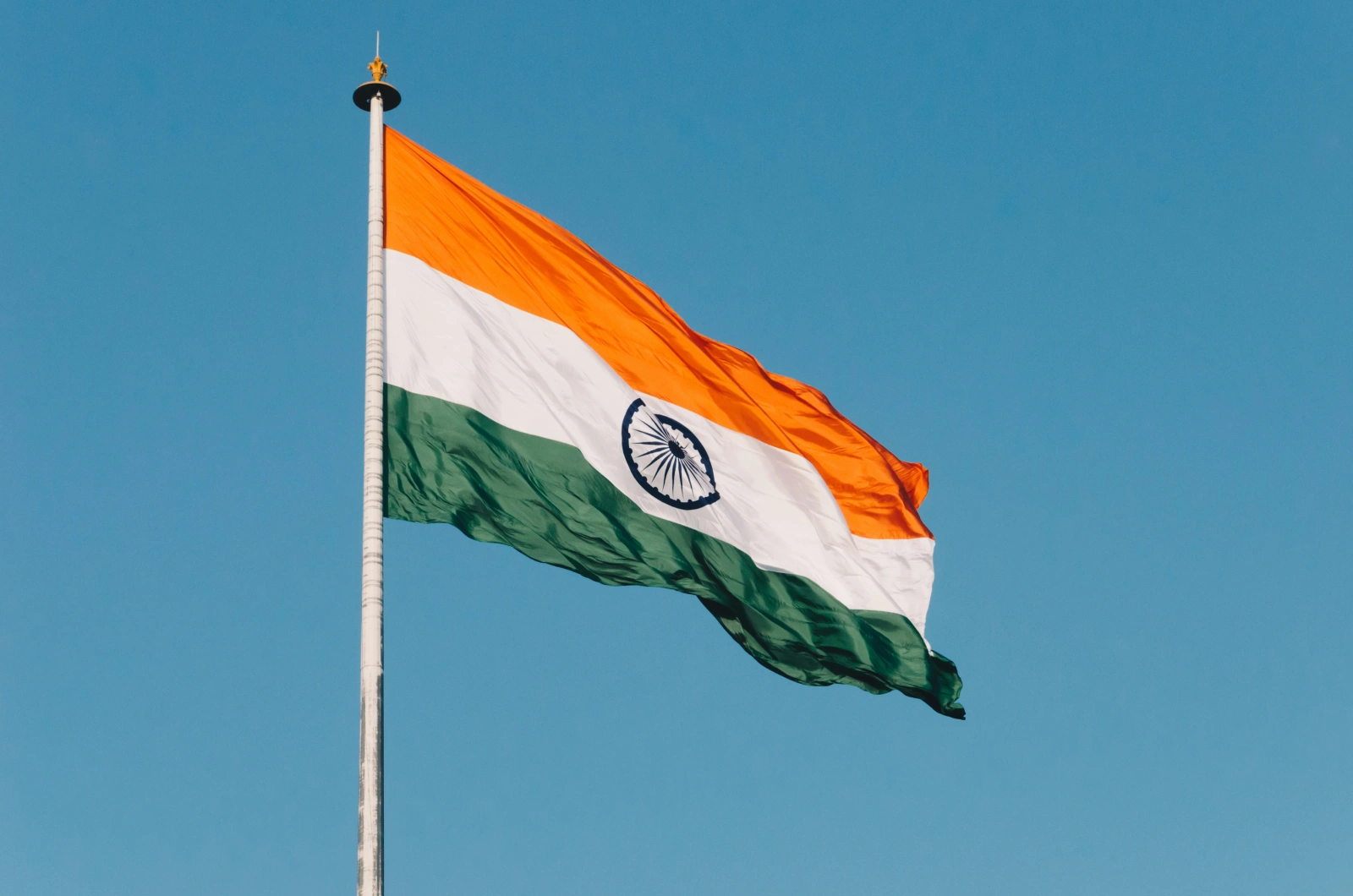
Since India gained independence in 1947, the office of the Prime Minister has been held by leaders from different parties, backgrounds, and eras, each shaping the country’s political and economic direction in their own way.
This overview lists every Prime Minister of India from 1947 to 2024 in order, along with their tenure and a few key facts, making it a useful, quick reference for students, competitive exam aspirants, and general knowledge revision.
Why This List Matters for Students
Questions on the list of Indian Prime Ministers appear frequently in school exams, general knowledge tests, and competitive exams such as UPSC, SSC, and state-level services. Beyond exams, understanding this timeline also helps students connect historical events to India’s broader political development.
Civics and history topics like this one are often taught with strong emphasis at schools in bangalore that follow a value-based, holistic curriculum rather than pure rote learning.
Complete List of Prime Ministers of India (1947-2024)
|
No. |
Name |
Tenure |
|
1 |
Jawaharlal Nehru |
1947-1964 |
|
2 |
Gulzarilal Nanda (Acting) |
1964 |
|
3 |
Lal Bahadur Shastri |
1964-1966 |
|
4 |
Gulzarilal Nanda (Acting) |
1966 |
|
5 |
Indira Gandhi |
1966-1977 |
|
6 |
Morarji Desai |
1977-1979 |
|
7 |
Charan Singh |
1979-1980 |
|
8 |
Indira Gandhi |
1980-1984 |
|
9 |
Rajiv Gandhi |
1984-1989 |
|
10 |
V. P. Singh |
1989-1990 |
|
11 |
Chandra Shekhar |
1990-1991 |
|
12 |
P. V. Narasimha Rao |
1991-1996 |
|
13 |
Atal Bihari Vajpayee |
1996 (16 days) |
|
14 |
H. D. Deve Gowda |
1996-1997 |
|
15 |
Inder Kumar Gujral |
1997-1998 |
|
16 |
Atal Bihari Vajpayee |
1998-2004 |
|
17 |
Manmohan Singh |
2004-2014 |
|
18 |
Narendra Modi |
2014-present |
Note: Atal Bihari Vajpayee served three separate terms, and Indira Gandhi served two non-consecutive terms, which is why the numbering above reflects tenures rather than distinct individuals.
Longest and Shortest Serving Prime Ministers
Longest Serving
- Jawaharlal Nehru — over 16 years, the longest continuous tenure in India’s history.
- Narendra Modi — currently serving since 2014, crossing a decade in office as of 2024.
- Indira Gandhi — over 15 years combined across two terms.
Shortest Serving
- Atal Bihari Vajpayee’s first term in 1996 lasted only 16 days.
- Charan Singh served less than six months without ever facing Parliament.
- Gulzarilal Nanda served twice as caretaker Prime Minister, each time for a matter of weeks.
Key Milestones in the Prime Ministerial Timeline
- 1947: Jawaharlal Nehru becomes India’s first Prime Minister at independence.
- 1966: Indira Gandhi becomes the first woman to hold the office.
- 1977: The first non-Congress government is formed under Morarji Desai.
- 1991: P. V. Narasimha Rao’s government initiates major economic liberalisation.
- 1998: Atal Bihari Vajpayee begins a full term, later completing it in 2004.
- 2014: Narendra Modi becomes Prime Minister, marking a major shift in India’s political landscape.
How to Remember the List for Exams
Students preparing for exams often find it easier to memorise this list in decade-based groups rather than trying to recall all 18 tenures at once. Grouping by decade (1947-1960s, 1970s-1980s, 1990s-2000s, 2010s-present) and linking each group to one defining event makes recall far more reliable.
Structured revision techniques like this are commonly reinforced at the best schools in bangalore, where teachers often break down large factual lists into smaller, memorable chunks during history and civics classes.
Many cbse schools in bangalore also include this exact topic within Class 8-10 social science curriculum, making it one of the earliest formal introductions students get to India’s political history.
A Quick Note on the President vs Prime Minister Confusion
Students often mix up the roles of the President and the Prime Minister. The President is the ceremonial head of state, while the Prime Minister is the head of government and holds executive power. This list covers only the Prime Ministers, who are responsible for the day-to-day running of the country.
Key Takeaways
- India has had 14 individuals serve as Prime Minister across 18 distinct tenures since 1947.
- Jawaharlal Nehru was the first, and Narendra Modi is the current Prime Minister as of 2024.
- Indira Gandhi was the first and, so far, only woman to hold the office.
- Grouping the list by decade makes it far easier to memorise for exams.
Conclusion
The list of Prime Ministers of India from 1947 to 2024 is more than a sequence of names and dates; it is a timeline of the country’s political evolution. Whether preparing for an exam or simply building general awareness, understanding this timeline gives students a clearer picture of how India has been governed since independence.
FAQs
1. Who was the first Prime Minister of India?
Jawaharlal Nehru was India’s first Prime Minister, serving from 1947 to 1964.
2. Who is the current Prime Minister of India as of 2024?
Narendra Modi has been serving as Prime Minister since 2014.
3. Who was the first woman Prime Minister of India?
Indira Gandhi was the first woman to hold the office, serving two separate terms.
4. Who served as Prime Minister for the shortest period?
Atal Bihari Vajpayee’s first term in 1996, lasting only 16 days, was the shortest tenure.
5. How many people have served as Prime Minister of India?
As of 2024, 14 individuals have held the office of Prime Minister across 18 tenures.
6. Why does the list include some names more than once?
Leaders such as Indira Gandhi and Atal Bihari Vajpayee served multiple, non-consecutive terms, so their names appear more than once in the tenure-based list.
7. Is this topic important for competitive exams?
Yes, questions on the list of Indian Prime Ministers are common in UPSC, SSC, state-level exams, and school-level general knowledge tests.